
Previous exhibition
Susan Philipsz – Study for Strings Sokol Terezín

About the exhibition
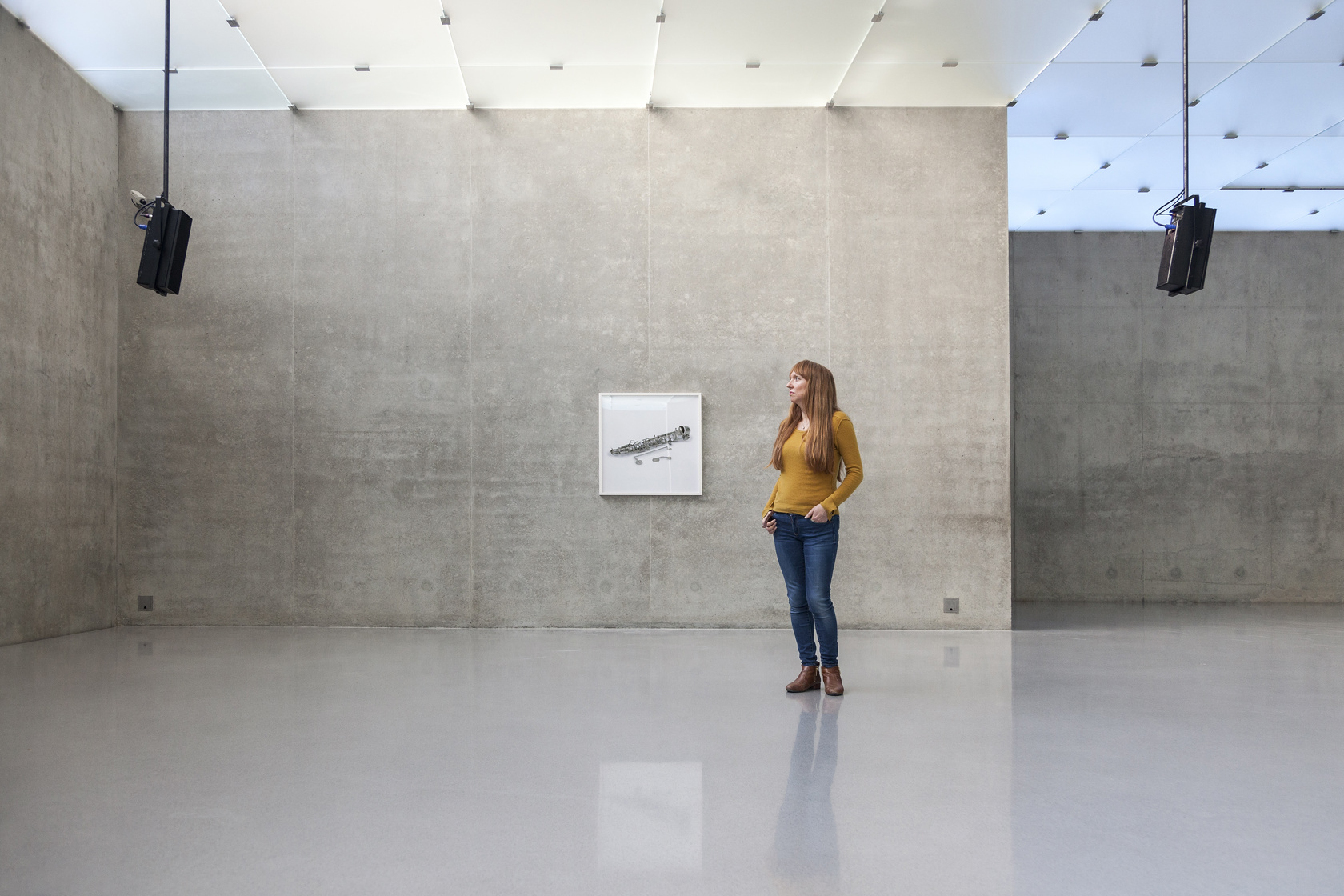
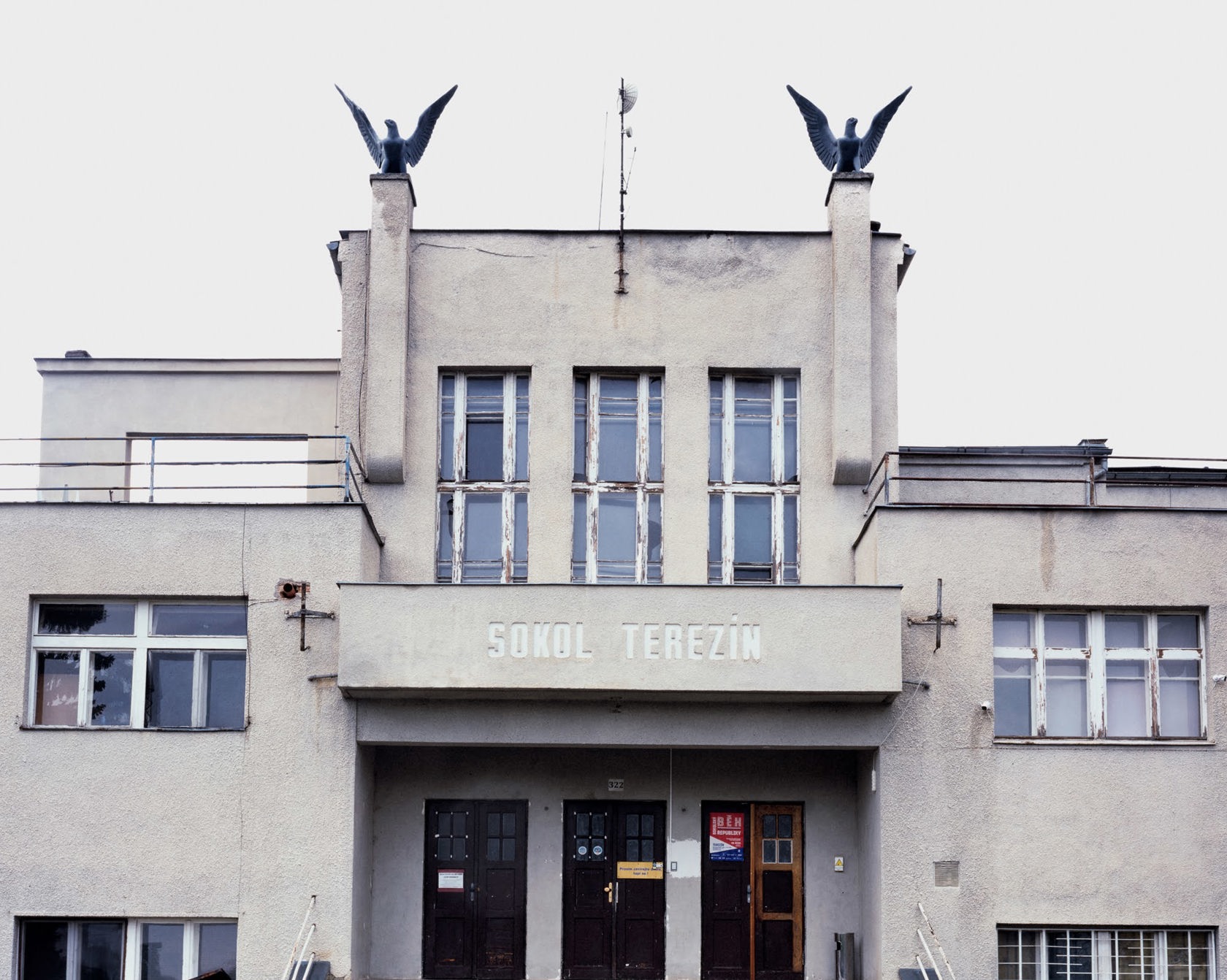
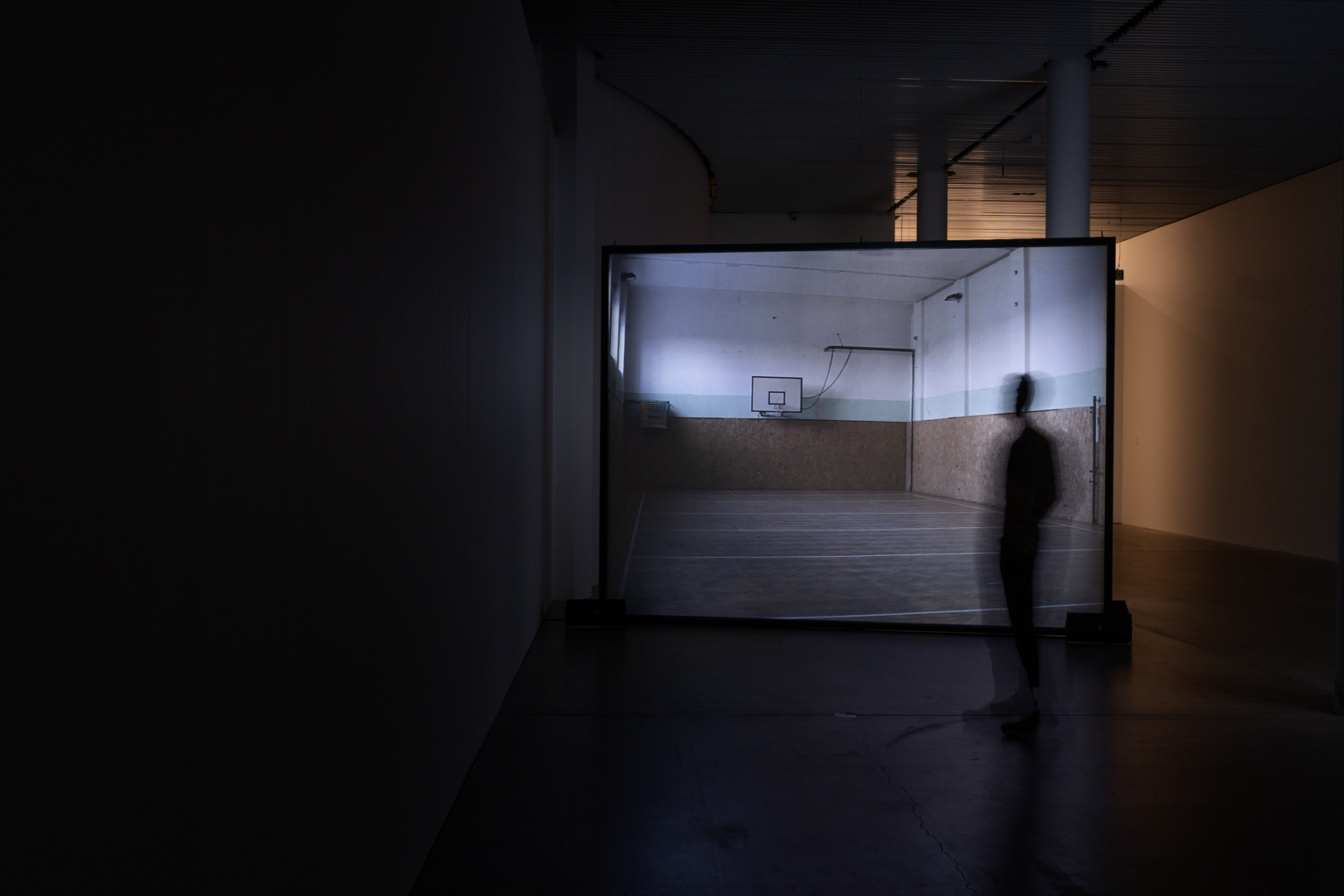
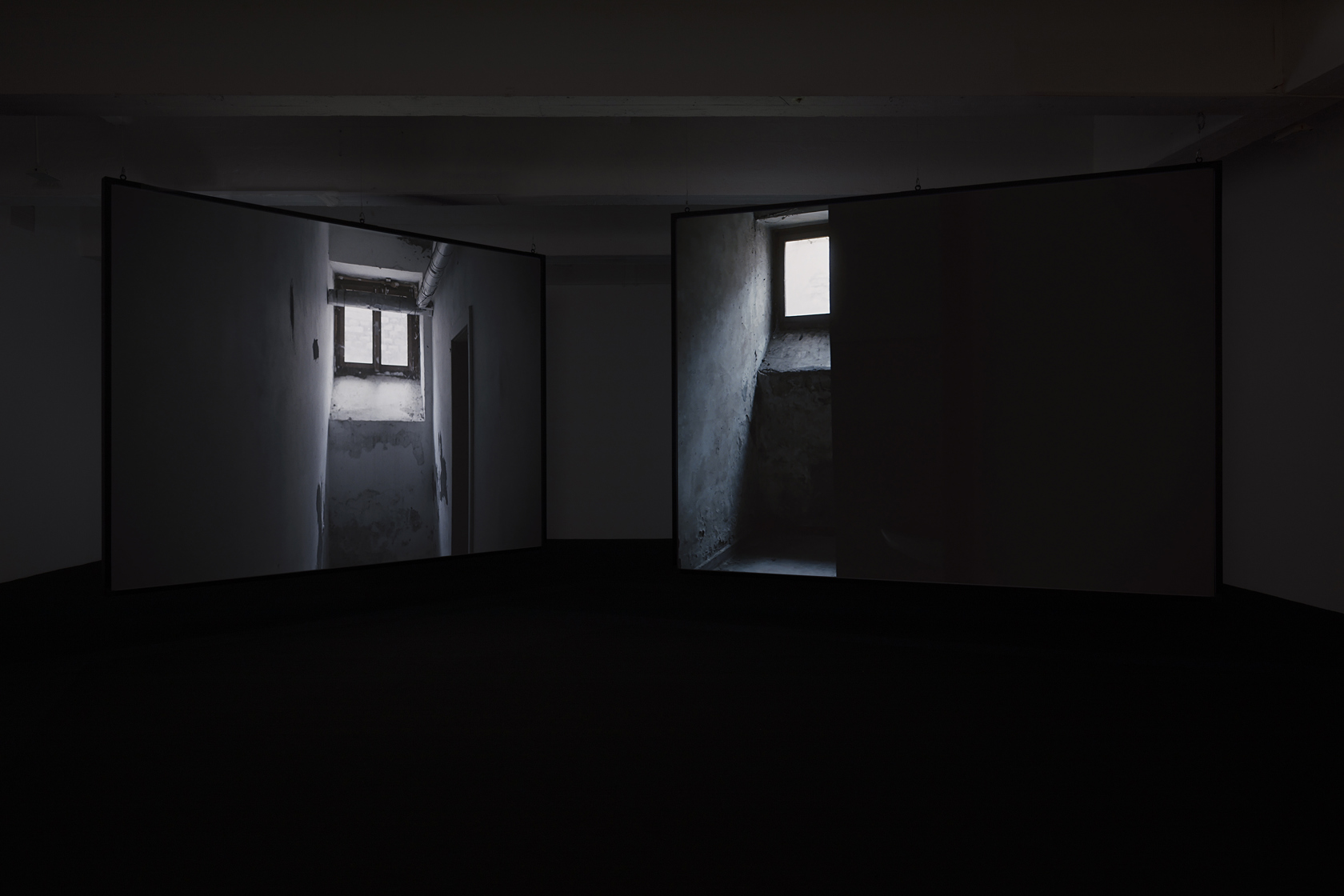
In Study for Strings Sokol Terezín by Scottish artist Susan Philipsz, the audience is presented with an intimate sound and video installation that takes the viewer back to the atrocities of the past during World War II. The soundtrack consists of two isolated instruments - a cello and a viola - accompanied by two screens showing subtle footage of the corridors of the Theresienstadt concentration camp as they look today.
The focal point of the work is the sound of two string instruments, originally part of the composition "Study for String Orchestra" written by Czech-Jewish composer Pavel Haas (1899-1944). At the time, the piece was to be used as the soundtrack for the Nazi propaganda film "Theresienstadt. Ein Dokumentarfilm aus dem jüdischen Siedlungsgebiet" from 1944, which aimed to portray the German concentration camps as anything but the inhumane labour and extermination camps they were. Haas composed the piece under duress while incarcerated in Theresienstadt, after which he was transferred to Auswitch, where he was murdered along with most of the former prisoners from Theresienstadt.

Susan Philipsz brings the tragic stories of Pavel Haas and millions of others into her work, using sound fragments and video installations to show the horror of the past in a contemporary context. In the exhibition at ARoS, a camera moves through the buildings where Haas was imprisoned, and Philipsz attempts to create a sense that the viewer is moving through the corridors like a ghost haunting the place it once inhabited. At the same time, the sounds of the isolated instruments - the cello and viola - fill the intimate artwork, giving the viewer a sense of being both physically present in the space while being mentally surrounded and overwhelmed by memories, recollections and thoughts. With the work, Philipsz explores themes of distance and separation, absence and loss, and the significance of past events in today's view of history.

The reason I use sound is that it defines space and triggers memories. My intention is to use its psychological impact on people to make them aware of where they are in the moment.
Susan Philipsz
Sound creates the framework for Susan Philipsz's works. Throughout her career, Philipsz has worked with sound's ability to define time and space, which she also actively uses in the exhibition at ARoS to influence the viewer's perception of the work, the space it stands in, and the reality it was created in. By placing the composition in its original context - in the corridors of Theresienstadt - a dense and eerie atmosphere is created, reminding us of the horrific fates that form the backdrop for the film's music.

The sound part of the work in the ARoS exhibition is part of Susan Philipsz's earlier work, Study for Strings, which was presented at Kassel Railway Station in 2012. Kassel railway station was a hub for much of the infrastructure during the Nazi regime in Germany, and its construction is often described as Susan Philipsz's masterpiece as it received huge international recognition and attention.

Using fragments from Pavel Haas' composition, Susan Philipsz refers directly to the propaganda film "Theresienstadt. Ein Dokumentarfilm aus dem jüdischen Siedlungsgebiet". 80 years ago - in October 1943 - the Nazi Wehrmacht arrested around 500 Danish Jews, who were all sent to Theresienstadt. In June 1944, the Danish central administration managed to organise a visit to the camp, where the Red Cross ensured that the Danish prisoners were treated properly. The Nazi regime used the occasion and the visit from the Danish delegation to spread propaganda about the conditions in the camp - including through the propaganda film, which Susan Philipsz uses fragments of in her work.
Special thanks to
Stiftung Kunstfonds